DMT PRODUCTS
what is dmt
25
May
May
What DMT is and where it comes from
What DMT is and where it comes from. DMT, short for N,N-Dimethyltryptamine, is a powerful hallucinogenic drug that produces some of the most intense and disorienting altered states of consciousness known to exist. Unlike many other drugs of abuse, DMT creates experiences so profound and bizarre that users often describe them as stepping into an entirely different reality, complete with geometric patterns, entity encounters, and a complete dissolution of the self and the world as they know it. For some, this is an attraction; for others, it becomes a terrifying descent into a psychological state that can trigger lasting trauma, psychosis, or medical emergencies. What DMT is and where it comes from

Key Facts About DMT
- DMT is an extremely potent hallucinogen: Compared with LSD or psilocybin, DMT produces a far more intense and immersive psychedelic experience. Within minutes, it can radically alter perception, distort reality, and trigger profound hallucinations, ego dissolution, and altered states of consciousness.
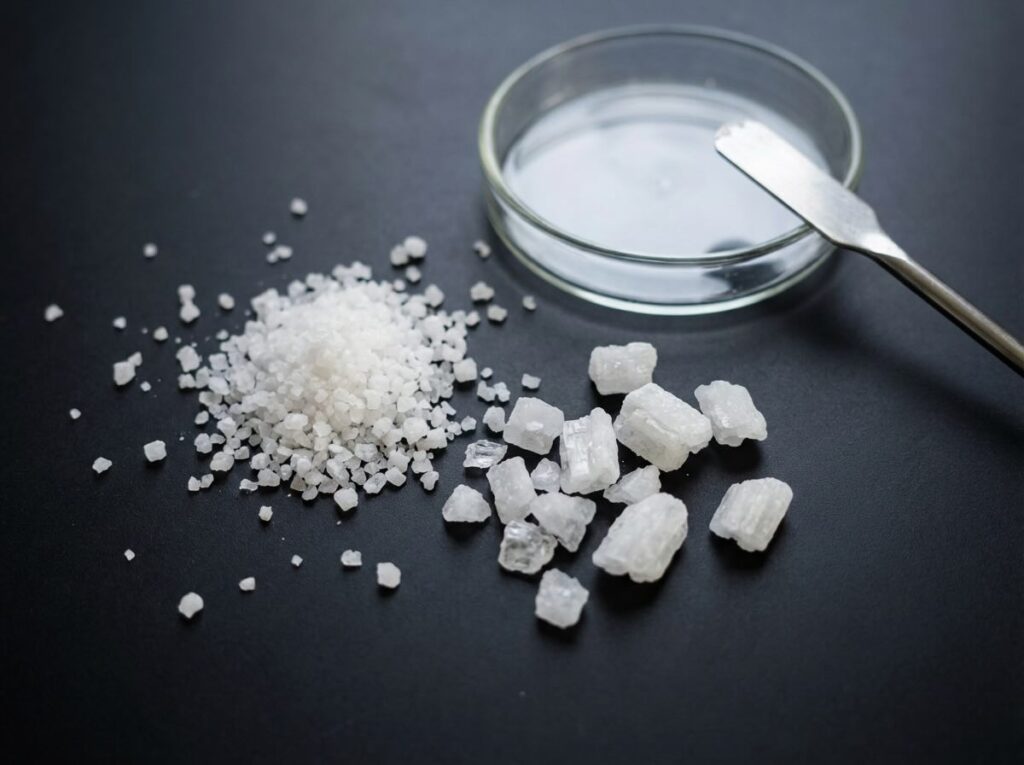
- DMT exists naturally and is also synthesized illegally: Although trace amounts occur naturally in certain plants and animals, illegal laboratories commonly manufacture DMT in crystal or liquid form for recreational use.
- DMT strongly affects serotonin systems in the brain: DMT primarily activates the brain’s 5-HT2A serotonin receptor — the same receptor targeted by LSD and psilocybin. In addition, it interacts with several other neural systems, which contributes to its unusually intense psychological effects.
- DMT acts extremely quickly: When users smoke or inject DMT, effects can begin within seconds, peak within minutes, and largely subside within 15–30 minutes.
- People consume DMT in several ways: Users may smoke DMT crystals, inject the drug intravenously, snort it as a powder, or drink it in ayahuasca, a psychoactive South American plant brew.
- DMT frequently produces vivid “entity encounters” and hyperspace experiences: Many users report seeing geometric environments, entering alternate dimensions, encountering intelligent beings, or feeling completely separated from their body and identity.
- DMT can trigger severe psychological crises: In some cases, DMT use leads to panic attacks, paranoia, psychosis, aggressive behavior, or suicidal thinking — particularly among vulnerable individuals or during uncontrolled use.
- DMT carries cardiovascular and respiratory risks: The drug can sharply increase heart rate and blood pressure. In severe cases, especially at high doses or among individuals with underlying heart conditions, cardiac arrest or respiratory failure may occur.
- Combining DMT with other substances can become dangerous: Mixing DMT with antidepressants, MDMA, or other serotonergic drugs can trigger serotonin syndrome, a potentially life-threatening condition involving agitation, overheating, seizures, and confusion.
- Some users experience long-term psychological effects: Even after a single experience, some individuals report flashbacks, depersonalization, persistent anxiety, or prolonged psychotic symptoms.
- DMT remains a Schedule I controlled substance in the United States: Federal law classifies DMT as illegal, although researchers and government agencies continue to investigate possible therapeutic applications for conditions such as depression and PTSD.
- Street DMT may contain dangerous contaminants: Illicit DMT products can include fentanyl, heroin, or other unknown adulterants, which significantly increase overdose risk and unpredictability.
